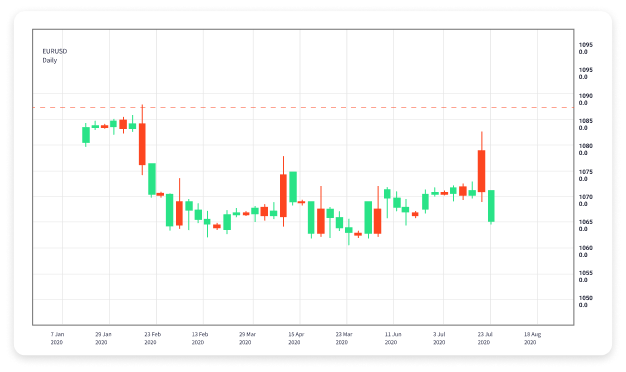
The Ultimate Guide to Forex Currency Trading Brokers
In the fast-paced world of Forex trading, choosing the right broker can be a significant factor in your success. A reliable broker can provide access to the necessary tools, resources, and support needed to navigate the complex currency market. As an example of a trusted platform, you can explore forex currency trading broker protradinguae.com, which offers a wide range of services catered to both novice and experienced traders.
Understanding Forex Trading Brokers
Forex trading brokers act as intermediaries between traders and the foreign exchange markets. Their primary role is to facilitate the buying and selling of currency pairs. Choosing a Forex broker involves evaluating various aspects such as regulatory status, trading platforms, fees, customer service, and the variety of trading instruments offered.
Types of Forex Brokers
There are generally three types of Forex brokers: Market Makers, ECN (Electronic Communications Network), and STP (Straight Through Processing) brokers. Understanding the differences between these can help you choose the broker that best suits your trading style.
Market Makers
Market Maker brokers provide liquidity by setting their prices and facilitating trades from their own accounts. They act as the counterparty to traders’ positions. While this can lead to tighter spreads for traders, it may also present a potential conflict of interest, especially in volatile markets.
ECN Brokers
ECN brokers offer a direct connection between traders and other market participants, allowing for faster trade execution and generally lower spreads. This type of broker aggregates prices from multiple liquidity providers, ensuring a more competitive environment for traders.
STP Brokers
STP brokers automatically route order executions to various liquidity providers based on the best available prices. This method combines aspects of both market-making and ECN trading, providing traders with good liquidity and fast execution speeds.
What to Look for When Choosing a Forex Broker
When selecting a Forex broker, consider the following key factors:
Regulatory Compliance
Ensure that the broker is regulated by a reputable financial authority. This offers assurance that the broker adheres to industry standards, safeguarding your funds and ensuring fair trading practices.
Trading Platforms
The trading platform is your gateway to the Forex market. Look for brokers that offer robust, user-friendly platforms like MetaTrader 4 or MetaTrader 5, which provide advanced charting tools, analytics, and automated trading options.
Fees and Spreads
Forex brokers typically charge fees via spreads or commissions. Carefully review the fee structure, including any hidden charges, to calculate the potential costs of your trading activities.
Customer Service
Responsive customer support is crucial, especially for beginner traders. Ensure that the broker offers various support channels (like live chat, email, and phone) and is available in your preferred language.
The Importance of a Demo Account
Most Forex brokers offer demo accounts that allow you to practice trading with virtual funds. This is an excellent way to familiarize yourself with the trading platform, develop strategies, and test the broker’s execution speed without risking real money.
Understanding Forex Trading Strategies
Once you’ve selected a broker, the next step is to develop a trading strategy, as this will guide your trading decisions. Here are a few common strategies:
Scalping
This strategy involves making numerous trades throughout the day to capitalize on small price movements. Scalpers require a solid understanding of market conditions and quick decision-making skills.
Day Trading
Day traders open and close positions within the same trading day. This approach limits the exposure to overnight market fluctuations and is favored by traders who prefer to be active in the market.
Swing Trading
Swing trading is a longer-term strategy where traders hold positions for several days, aiming to capture larger price movements. This requires a good grasp of technical analysis and market trends.
Risk Management in Forex Trading
Effective risk management is critical in Forex trading to protect your capital and avoid significant losses. Here are some essential risk management techniques:
Setting Stop-Loss Orders
Implementing stop-loss orders allows traders to automatically exit a position at a predetermined price, minimizing potential losses.
Diversifying Your Portfolio
Avoid putting all your capital into a single trade. Diversifying your assets across different currency pairs can help mitigate risks.
Proper Position Sizing
Understanding how much to risk on each trade is vital. Position sizing should be based on your total account size and risk tolerance, ensuring that losses do not exceed a specific percentage of your capital.
Keeping up with Market News and Analysis
Forex trading involves understanding both technical and fundamental analysis. Stay informed on global economic news, as events can significantly affect currency prices. Utilize economic calendars and reputable news sources to enhance your trading strategy.
Conclusion
Choosing the right Forex currency trading broker can set the foundation for your trading career. By understanding the different types of brokers, what to look for, and how to manage risks effectively, you can improve your trading potential and work towards achieving your financial goals.