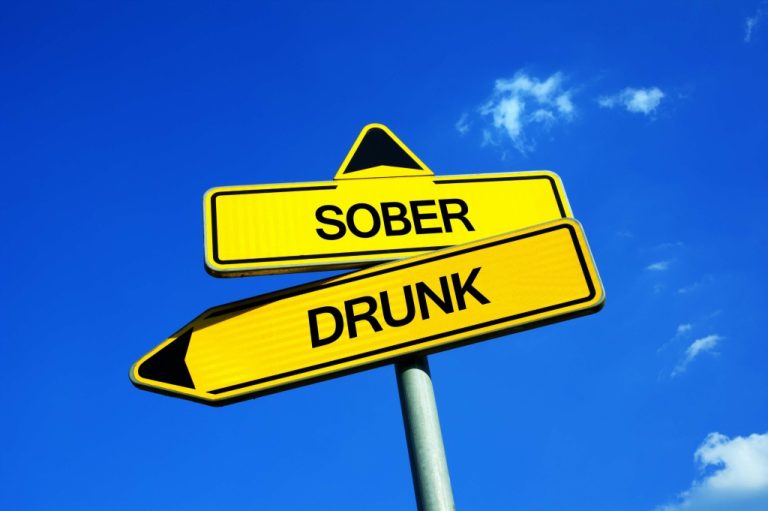
Many people consider it a normal part of socializing, a way to unwind and connect with others. Yet, people still consume alcohol without thinking of the drink’s nature. Alcohol is a toxin — too much can damage your body and impact your health. Today, alcohol continues to function as a popular form of socialization all over the world.
The Transition from Social Drinking to Alcoholism
Drinking more to achieve the same effects can signal the early stages of alcohol abuse. In this comprehensive guide, we’ll explore how social drinking can evolve into a problem, the top signs of alcohol dependency, and when to seek professional help. Are you struggling to tell the difference between social drinking and problem drinking? At Absolute Awakenings, we offer evidence-based alcohol rehab in New Jersey, helping individuals break free from alcohol misuse and find lasting recovery. Social drinking typically refers to moderate alcohol use in social settings. This could include having a glass of wine at dinner, a few beers at a barbecue, or a cocktail at a party.
What Healthy Social Drinking Looks Like
Although most social drinkers do not necessarily become alcoholics, they should be aware that this may be a possibility if they are not conscious of their drinking habits. Drinking socially may start as something sporadic, but social drinkers may enter into denial about their relationship with alcohol. This, in turn, may cloud their judgment and make them unaware of the increasing risk of developing a harmful relationship with alcohol. However, the CDC considers moderate drinking as two drinks per day for males or one drink per day for females. Therefore, if someone self-identifies as a social drinker, they should not consume more than 14 drinks per week for males and 7 for females.
People Ages 12 and Older
Problem drinkers display clear differences between their drinking habits and those of alcoholics. In fact, according to the NIAAA, 72 percent of people have a single period of heavy drinking that lasts social drinking problem 3-4 years and peaks at ages (typically occurs during the college years) that they phase out of. Life stressors are another catalyst for increased alcohol intake. Events such as job loss, relationship issues, or financial troubles may lead individuals to seek solace in alcohol, escalating the risk of developing an alcohol abuse problem.

Because of this, there’s no clarity about when social drinking becomes a problem. The knowledge that only 10% of heavy drinkers are alcoholic may be reassuring, but that doesn’t mean the other 90% aren’t have problems with drinking. I spoke with Joseph Nowinski, PhD, coauthor of Almost Alcoholic. Behavioral treatments include individual, group, and family therapy sessions. If you’re drinking socially, but a lot, you might be entering into problematic territory.
- When social drinking starts to cause some issues in your personal life, or you start to feel a need to start drinking without being in a social setting, it is time to take a closer look.
- But worrying about how heavily other Americans are drinking is one of them.
Why do some people become angry when they drink alcohol
During the Q&A, someone in the audience told him about the Ballmer Peak—the notion, named after the former Microsoft what is Oxford House CEO Steve Ballmer, that alcohol can affect programming ability. Some programmers have been rumored to hook themselves up to alcohol-filled IV drips in hopes of hovering at the curve’s apex for an extended time. In 2012, Slingerland and several scholars in other fields won a big grant to study religion from an evolutionary perspective.
- Personal relationships also suffer; alcohol misuse often triggers conflicts that may result in broken families and lost friendships.
- At Recovery Delivered, we offer 100% online medication-assisted treatment for drug and alcohol addiction.
- The most commonly misused substances in Australia are tobacco and alcohol.
- This may be in an NHS inpatient unit or a medically supported residential service, depending on your situation and the assessed medical need.

Women who consume eight or more drinks per week are considered excessive drinkers, according to the CDC. Breast cancer, liver disease and heart disease have all been linked to excessive drinking over time. Tolerance and dependence can both happen as symptoms of alcohol use disorder, a mental health condition previously referred to as alcoholism, that happens when your body becomes dependent on alcohol. This condition can be mild, moderate, or severe, depending on the number of symptoms you have. If you feel as though your social drinking or that of a loved one has lead to alcohol abuse, treatment is available.
Comprehensive and accessible addiction treatment options in Medford, MA
If you’re https://ecosoberhouse.com/ ready to get started, reach out to Recovery Delivered today to learn more. With these conditions, you’ll only notice symptoms during alcohol intoxication or withdrawal. These symptoms typically improve quickly when alcohol use stops. Long-term alcohol use can affect bone density, leading to thinner bones and increasing your risk of fractures if you fall. Here’s a breakdown of alcohol’s effects on your internal organs and body processes. These effects might not last very long, but that doesn’t make them insignificant.